Green peppercorns in brine or dried: which one suits your business best? Sauce manufacturers, chefs and food industry buyers all face this question when developing a new recipe. Both forms come from the same pepper plant, but the way they are prepared gives them markedly different characteristics.
Taste, texture, shelf life and handling are not the same. For a professional, those differences have a direct influence on the final result. At EKL Export, we pay close attention to these characteristics so our customers can identify the ingredient that matches their needs.
Contents
Green peppercorns in brine or dried: what is the difference?
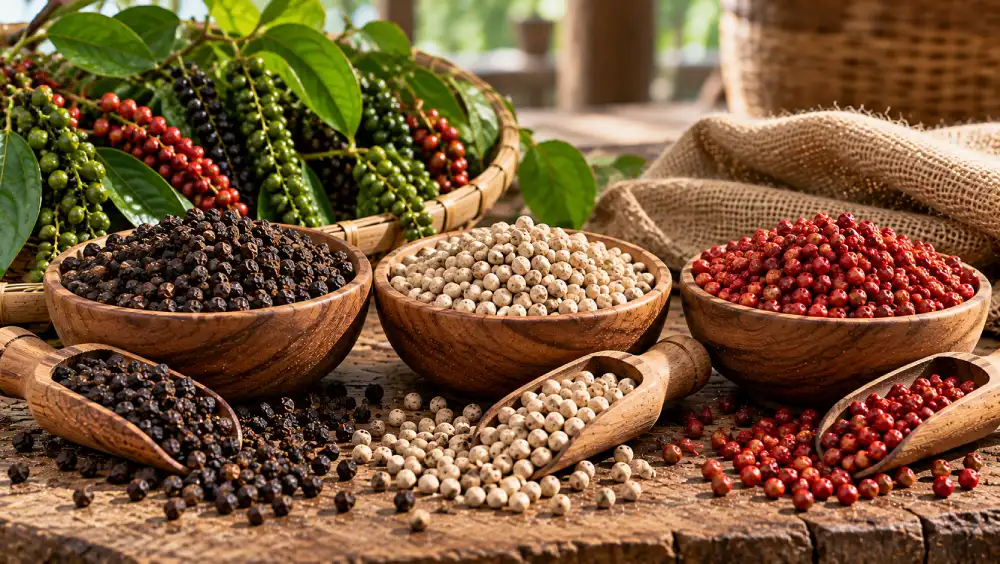
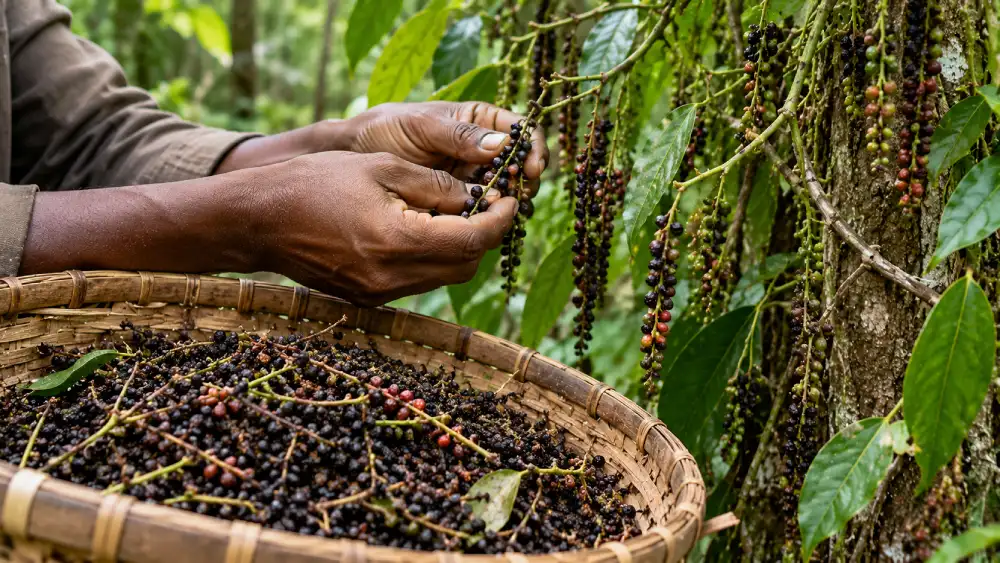
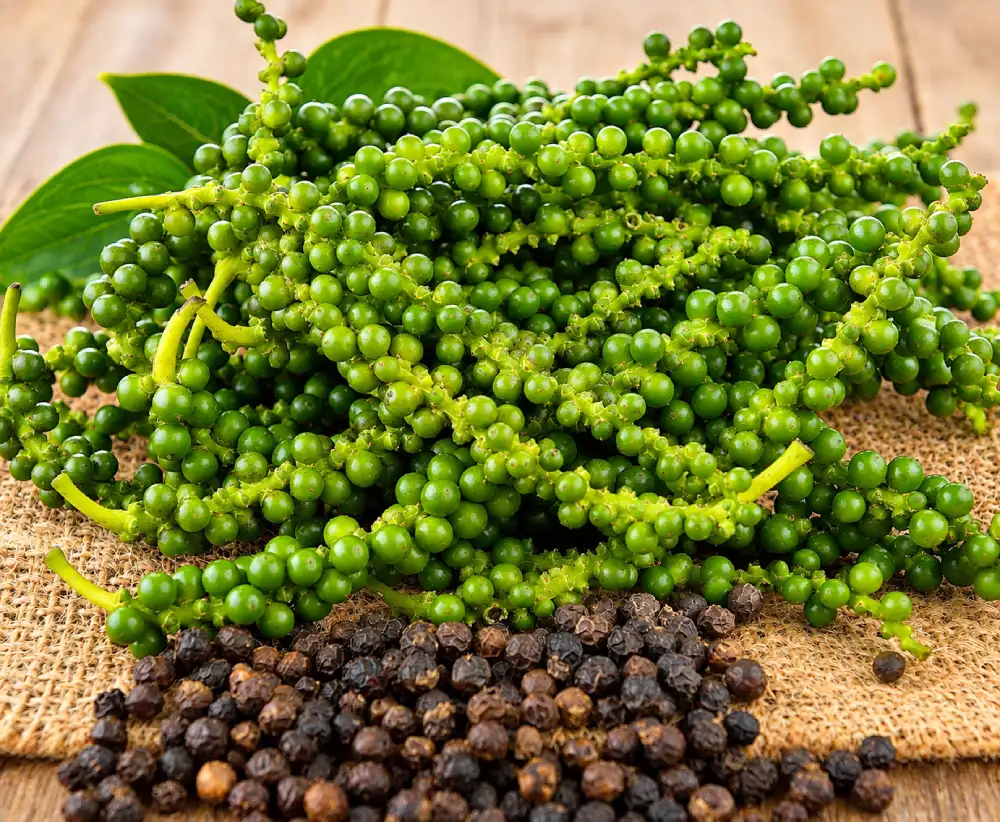
Green pepper comes from Piper nigrum, a plant grown in several tropical regions, Madagascar among them. The berries are harvested before full maturity, while they are still green. It is after harvest that the preparation methods diverge.
Dried green pepper is dehydrated to reduce its water content and allow storage under suitable conditions. Green peppercorns in brine, on the other hand, are packed in a covering liquid. Depending on the processor’s recipe, that liquid may contain salt and other authorised ingredients, which contribute to preserving the product.
This difference in preparation plays an important role in the texture of the berries and their aromatic profile. To learn more about the various pepper categories and food quality references, you can consult the Codex Alimentarius standards.
| Criterion | Green peppercorns in brine | Dried green pepper |
|---|---|---|
| Preparation | Berries packed in a covering liquid (salt, authorised ingredients) | Dehydrated berries, reduced water content |
| Texture | Relatively soft, whole berry stays visible | Firmer |
| Typical uses | Cream sauces, meat-based preparations, ready meals | Spice blends, dry preparations, rehydration depending on the recipe |
| Point to watch | The covering liquid affects salt content and acidity | Sensitive to moisture during storage |
Different flavours and textures
Green peppercorns in brine are generally valued for their vegetal notes and their relatively soft texture. The berries can be used whole in recipes where they are meant to remain visible. This is particularly true of certain cream sauces, meat-based preparations and ready meals.
Dried green pepper, for its part, has a firmer texture and a different aromatic profile. It can be used in spice blends and dry preparations, or rehydrated depending on the recipe.
Which pepper should you choose for sauces?
For a sauce manufacturer, the choice depends on the intended result. Green peppercorns in brine can be of interest when you want a sauce containing whole berries that stay relatively soft and easily recognisable. They can also bring specific aromatic notes. You do, however, need to account for the covering liquid, which may influence the salt content or the acidity of the preparation.
Dried green pepper, by contrast, can be more practical when a formulation calls for a dry ingredient, or when the manufacturer wants to control water addition separately. In every case, formulation trials remain essential. Food service professionals can also review the pack sizes available on our green peppercorns in brine page.
Developing a new recipe?
Application, volumes, packaging and country of destination: send us these details and our team will review your enquiry.
Storage and food safety: different precautions
Storage conditions must always suit the product. Dried pepper is sensitive to moisture and must be kept under conditions that prevent deterioration. For pepper in brine, the production parameters, the packaging and the storage conditions all play a key role. The presence of a covering liquid is not, on its own, enough to guarantee microbiological stability.
Manufacturers need to rely on a validated process and on their own product specifications. On this subject, the codes of hygienic practice published by the Codex Alimentarius are a useful reference for food processing professionals.
Why is Madagascar an interesting origin?
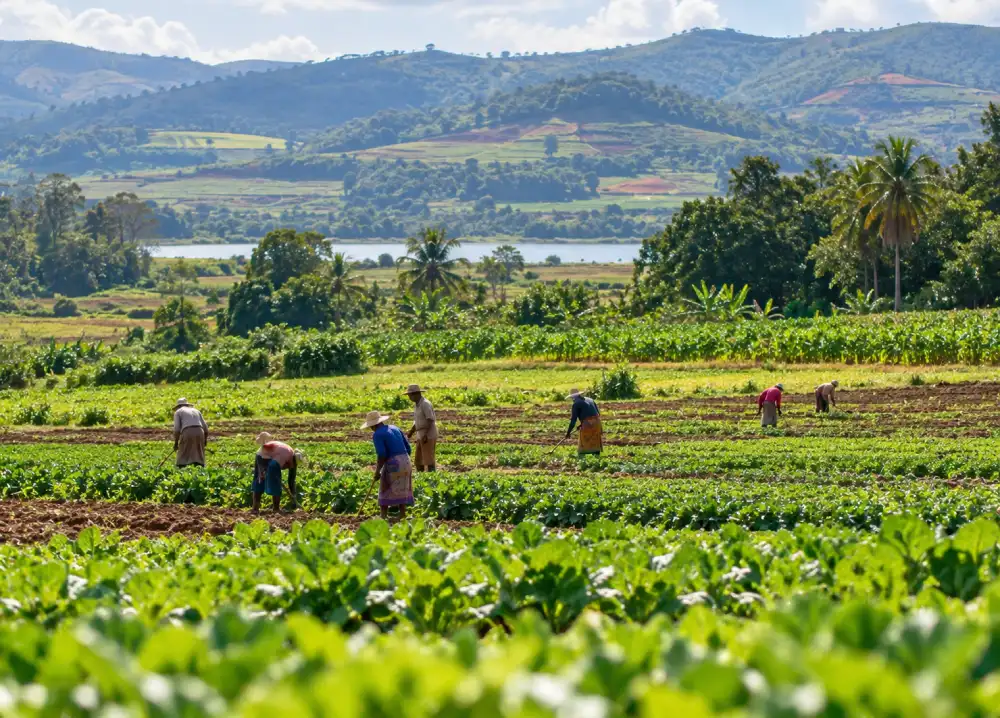
Madagascar has a long agricultural tradition in spice growing. Its peppers appeal to importers and manufacturers looking for an identifiable origin and wanting to diversify their sourcing. The final profile nevertheless depends on the quality of the product, the harvest timing and the processing methods.
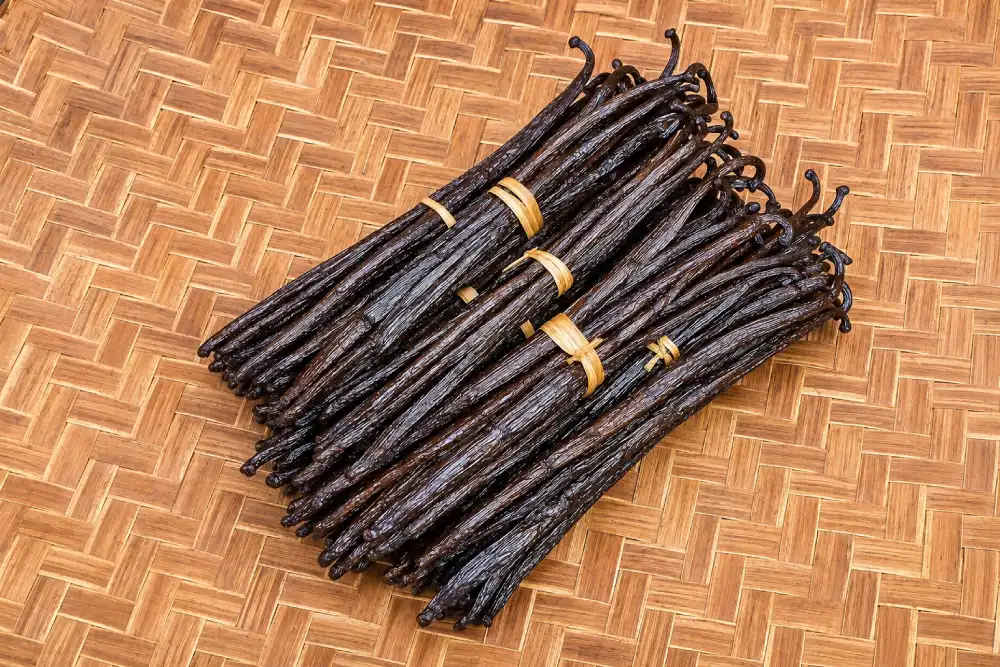
At EKL Export, we work with local partners and develop the international marketing of Malagasy products. Discover our range of spices and peppers from Madagascar as well as our vanilla selection. To go further into the technical characteristics of spices, professionals can also consult the ISO catalogue for spices and condiments.
How do you choose the right product for your business?
Before requesting a quotation, it helps to define your application. Ask yourself the right questions:
- do you want to incorporate the pepper into a sauce?
- offer it as a condiment?
- use it in a preparation intended for food service?
The quantity required, the packaging and the purchasing frequency matter just as much. This information makes it possible to define the specifications more precisely and to assess the sourcing options.
Frequently asked questions
Can dried pepper replace green peppercorns in brine?
Not directly. The two products share neither the same texture nor the same aromatic characteristics, and substituting one for the other can change the balance of a recipe even at equal quantities. Formulation trials remain necessary.
Is the covering liquid enough to preserve the product?
No. Its presence alone does not guarantee microbiological stability: the production parameters, the packaging and the storage conditions are decisive, on the basis of a validated process.
What information should I send to get a quotation?
Your application, the quantity required, the packaging you need, your purchasing frequency and the country of destination.
EKL Export, your sourcing partner for pepper from Madagascar
We support professionals looking for agricultural raw materials and ingredients from Madagascar. Our approach is to understand the commercial and technical needs of each company, then to review suitable references with our partners.
Looking for green peppercorns in brine for your next production runs?
Contact EKL Export at contact@ekl-export.mg, stating your application, your volumes and the country of destination. We will be glad to review your sourcing project.
Request a supply offer