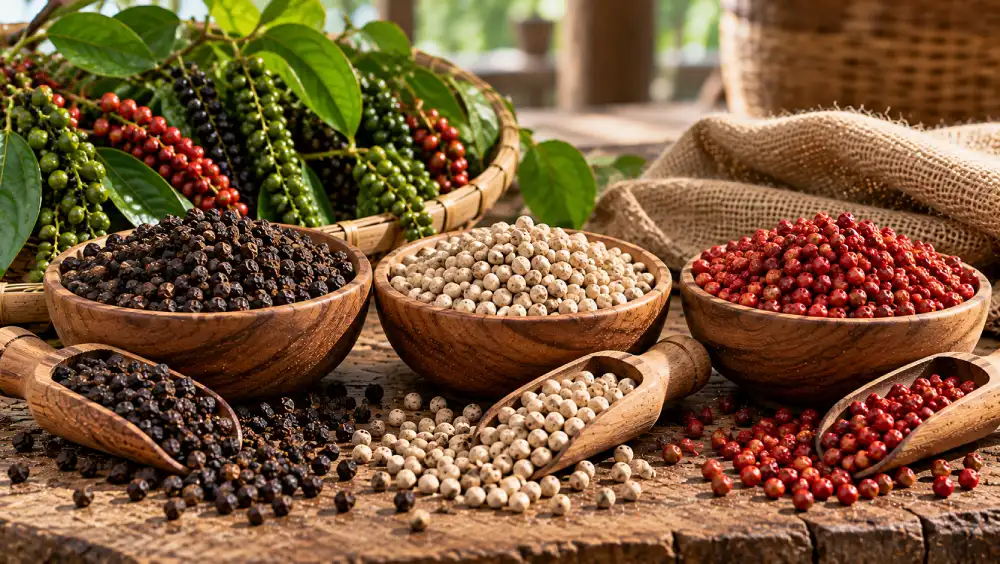
Black, white, red… and yet it is the same plant! All three peppers come from the Piper nigrum vine. What sets them apart is when they are harvested and how they are processed. In Madagascar, where pepper grows on the east coast and in the north, each develops a character of its own. Here is how to choose.
Three peppers, three processes
| Black pepper | White pepper | Red pepper | |
|---|---|---|---|
| Harvest | Berries still green, just before ripening | Ripe berries | Fully ripe, red berries |
| Processing | Sun-dried: the skin blackens and wrinkles | Soaked to remove the skin, then dried | Gently dried to preserve the colour |
| Taste | Bold, warm, woody | Clean heat, softer aromas, slightly fermented notes | Fruity, sweet, rounded |
| Uses | Meat, marinades, sauces, all-purpose | Light sauces, fish, purées, dishes where black specks are unwanted | Desserts, foie gras, fish, fine dining |
| Rarity | The most common | Takes longer to produce | Rare and delicate |
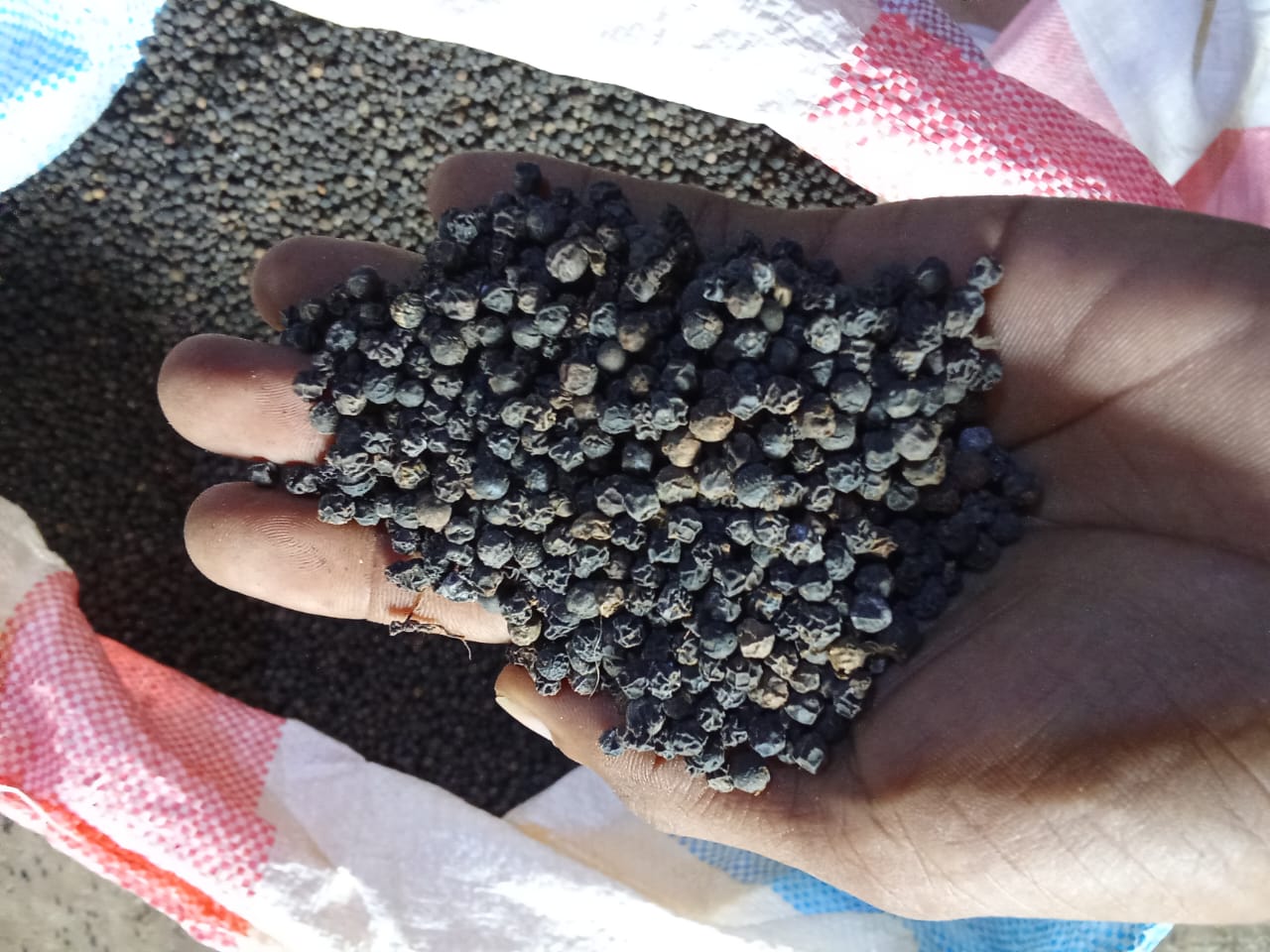
Black pepper: the great classic
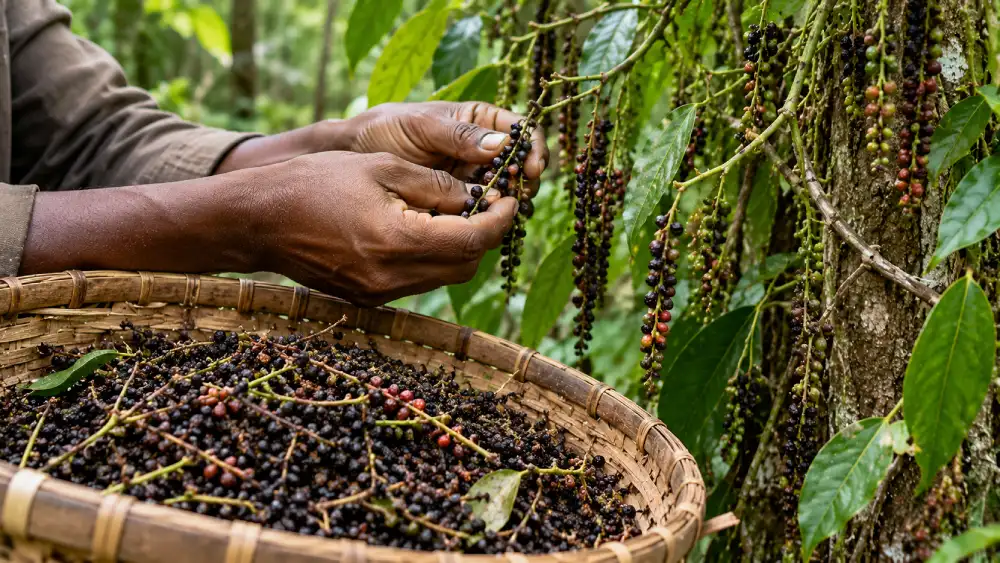
The clusters are picked while the berries are still green. As they dry in the sun, the skin (pericarp) blackens and wrinkles through natural oxidation. That skin holds black pepper’s warm, woody aromas.
White pepper: the berry without its skin
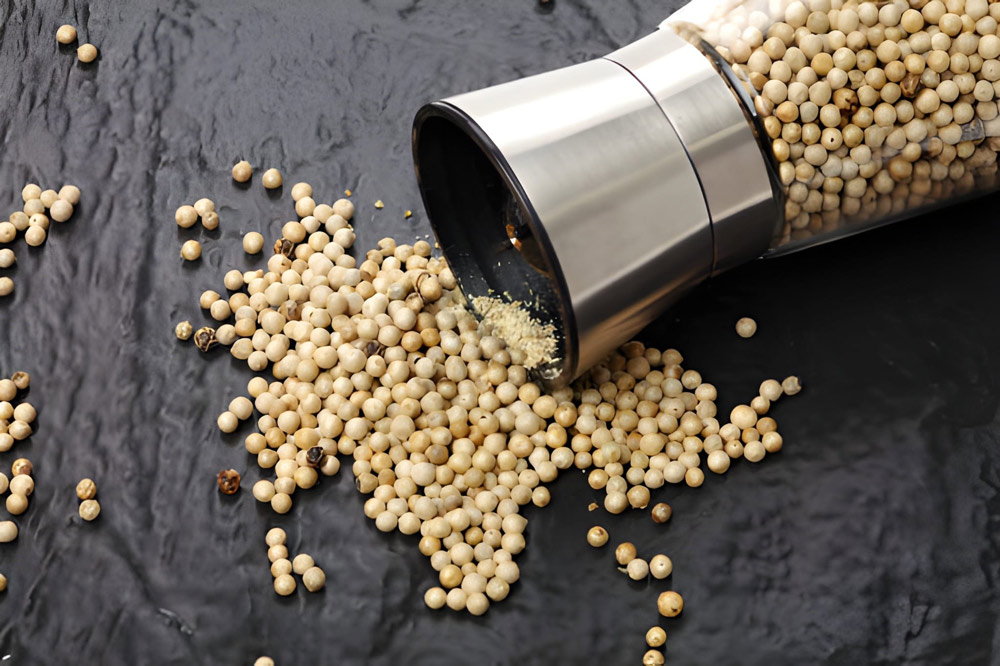
The berries are left to ripen, then soaked in water for several days: this is retting. The skin comes away, and the core of the berry is washed and dried. The result: a clean heat, fewer woody aromas, and a pale colour that does not mark white sauces.
Red pepper: a rarity
Picked fully ripe, the red berries are dried carefully to keep their colour. They give a sweet, fruity, rounded pepper that fine-dining chefs love. Delicate to produce and limited in volume, it is the rarest of the three.
⚠️ Not to be confused with pink peppercorn
Pink peppercorn comes from an entirely different shrub (Schinus): it is not a true pepper. Learn more in our article Pink peppercorn: the spice that transforms your dishes.
Quality criteria for professional buyers
- Density (g/L): dense pepper comes from well-formed, aromatic berries;
- Share of light berries (hollow or immature), to be kept low;
- Moisture, key to good storage;
- Piperine content, the molecule behind the heat;
- Microbiological quality: some buyers require steam treatment before sale.
Choosing a pepper means choosing the moment the berry was picked.
Frequently asked questions
What about green pepper?
It is also Piper nigrum, picked green but preserved before it blackens (brine, freeze-drying, fast drying). It tastes fresh and herbaceous.
Is white pepper hotter than black?
It often seems hotter because it has fewer woody aromas to soften the sensation, but it depends on the lot and its piperine content.
When is Madagascar pepper available?
Availability varies with the harvests. See our article Seasonality of Madagascar’s Farm Products: How to Plan Your Purchases.
Further reading
Black, white or red: which one do you need?
EKL Export supplies sorted, graded and tested Madagascar peppers. Tell us your application and we will recommend the right product and send you a sample.